Foot and Ankle Care Center on Facebook
Foot and Ankle Care Center on Twitter
Leave Google Review for Foot and Ankle Care Center

Reminder: When Was the Last Time...?

Custom orthotics, or shoe inserts, should be periodically replaced. Orthotics must fit properly to give you the best results. Protect your feet and ankles!

Types and Symptoms of Athlete’s Foot

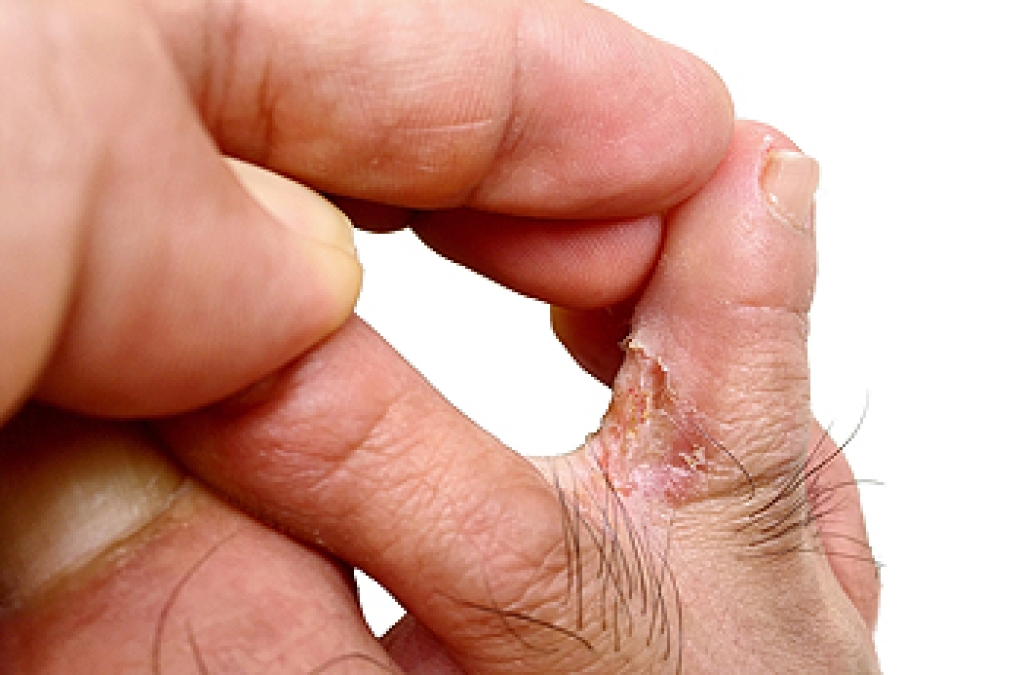
Athlete’s foot infections affect the skin on the feet and often start between the toes or on the soles. Interdigital infections involve red, flaky patches in the spaces between the toes, where the skin can split or soften when damp. A moccasin infection affects the bottom, sides and heels of the foot and causes thick, dry and scaly skin that can look like stubborn dryness. Both types of athlete’s foot infections cause itching, burning, peeling and a strong odor. The fungus that causes the infection spreads easily on warm, damp surfaces, including locker rooms, pool decks and shower floors, especially while barefoot. Wearing tight shoes and sweaty socks give the fungus the heat and moisture it needs to thrive. A podiatrist can examine damaged areas and recommend a treatment to clear the infection. If you have symptoms of an athlete's foot infection, it is suggested that you schedule an appointment with a podiatrist for a diagnosis and appropriate treatment.

Athlete’s Foot

Athlete’s foot is often an uncomfortable condition to experience. Thankfully, podiatrists specialize in treating athlete’s foot and offer the best treatment options. If you have any questions about athlete’s foot, consult with Sam Sanandaji, DPM from Foot and Ankle Care Center. Our doctor will assess your condition and provide you with quality treatment.

What Is Athlete’s Foot?

Tinea pedis, more commonly known as athlete’s foot, is a non-serious and common fungal infection of the foot. Athlete’s foot is contagious and can be contracted by touching someone who has it or infected surfaces. The most common places contaminated by it are public showers, locker rooms, and swimming pools. Once contracted, it grows on feet that are left inside moist, dark, and warm shoes and socks.

Prevention

The most effective ways to prevent athlete’s foot include:

  • Thoroughly washing and drying feet
  • Avoid going barefoot in locker rooms and public showers
  • Using shower shoes in public showers
  • Wearing socks that allow the feet to breathe
  • Changing socks and shoes frequently if you sweat a lot

Symptoms

Athlete’s foot initially occurs as a rash between the toes. However, if left undiagnosed, it can spread to the sides and bottom of the feet, toenails, and if touched by hand, the hands themselves. Symptoms include:

  • Redness
  • Burning
  • Itching
  • Scaly and peeling skin

Diagnosis and Treatment

Diagnosis is quick and easy. Skin samples will be taken and either viewed under a microscope or sent to a lab for testing. Sometimes, a podiatrist can diagnose it based on simply looking at it. Once confirmed, treatment options include oral and topical antifungal medications.

If you have any questions, please feel free to contact our office located in Beverly Hills, CA . We offer the newest diagnostic and treatment technologies for all your foot care needs.
Read more about Athlete’s Foot

How High Arches Affect Foot Health

High arches can place added stress on the feet because they sit higher off the ground and are not able to lower enough to absorb shock. This often makes the heel tilt inward, which can shift weight toward the outer edge of the foot and the base of the big toe. When this area takes too much pressure, pain can develop under the big toe joint, including irritation of the tiny sesamoid bones beneath it. The midfoot is usually stiff in people with high-arched feet, which forces the tendons along the outer ankle to work harder and raises the risk of irritation in that region. The inward tilt of the heel can also increase pressure on the inner side of the ankle joint. A podiatrist can evaluate foot shape, recommend shoes or inserts that provide adequate support, and discuss whether surgery is needed to solve the problem. If you have high arches that are causing pain, it is suggested that you make an appointment with a podiatrist for a diagnosis and treatment options.

If you have any concerns about your feet, contact Sam Sanandaji, DPM from Foot and Ankle Care Center. Our doctor can provide the care you need to keep you pain-free and on your feet.

Biomechanics in Podiatry

Podiatric biomechanics is a particular sector of specialty podiatry with licensed practitioners who are trained to diagnose and treat conditions affecting the foot, ankle and lower leg. Biomechanics deals with the forces that act against the body, causing an interference with the biological structures. It focuses on the movement of the ankle, the foot and the forces that interact with them.

A History of Biomechanics

  • Biomechanics dates back to the BC era in Egypt where evidence of professional foot care has been recorded.
  • In 1974, biomechanics gained a higher profile from the studies of Merton Root, who claimed that by changing or controlling the forces between the ankle and the foot, corrections or conditions could be implemented to gain strength and coordination in the area.

Modern technological improvements are based on past theories and therapeutic processes that provide a better understanding of podiatric concepts for biomechanics. Computers can provide accurate information about the forces and patterns of the feet and lower legs.

Understanding biomechanics of the feet can help improve and eliminate pain, stopping further stress to the foot.

If you have any questions please feel free to contact our office located in Beverly Hills, CA . We offer the newest diagnostic and treatment technologies for all your foot and ankle needs.

Read more about Biomechanics in Podiatry

Causes of Swollen Feet and Ankles

Swollen feet and ankles occur when excess fluid accumulates in the lower extremities, causing puffiness, discomfort, and limited mobility. This condition can result from a variety of underlying causes, including foot and ankle injuries that impair circulation, deep vein thrombosis where blood clots block veins, heart failure that reduces the heart’s ability to pump blood efficiently, or kidney disease that interferes with fluid balance. Swelling may be accompanied by pain, redness, warmth, or a feeling of heaviness. A podiatrist can evaluate the cause of the swelling, recommend appropriate treatment, suggest supportive footwear or orthotics, and offer therapies to improve circulation and reduce discomfort. If you notice persistent swelling in your feet or ankles, it is suggested that you schedule an appointment with a podiatrist who can provide effective relief tips.

Swollen feet can be a sign of an underlying condition. If you have any concerns, contact Sam Sanandaji, DPM of Foot and Ankle Care Center. Our doctor can provide the care you need to keep you pain-free and on your feet.

Swollen feet are a common ailment among pregnant women and people who stand or sit for extended periods. Aging may increase the possibility of swollen feet and patients who are obese often notice when their feet are swelling too. There may be medical reasons why swollen feet occur:

  • Phlebitis - A condition that causes the veins to become inflamed and can also cause leg pain.
  • Liver disease - This may lead to low blood levels of albumin which is a protein. This can cause fluid in the blood to pass into the tissues and several areas of the body can become swollen.
  • Heart failure - When the heart doesn’t pump properly the blood that is normally pumped back to the heart can pool in the veins of the legs causing swollen feet.
  • Kidney disease - One of the main functions of the kidneys is releasing excess fluid in the body. This type of condition can make it difficult for the kidneys to function properly, and as a result the feet may become swollen.
  • Deep-vein thrombosis (DVT)- This is a serious condition where blood clots form in the veins of the legs. They can block the return of blood from the legs to the heart which may cause the feet to swell. It is important to be treated by a podiatrist if this condition is present.

Swollen feet can also be caused by bone and tendon conditions, including fractures, arthritis, and tendinitis. Additionally, there may be skin and toenail conditions and an infection may cause the feet to swell. Patients who take medicine to treat high blood pressure may be prone to getting swollen feet. 

Many patients elevate their feet to help relieve the swelling and this is generally a temporary remedy. When a podiatrist is consulted the reason behind the swelling can be uncovered and subsequently treated.

If you have any questions please contact our office located in Beverly Hills, CA . We offer the newest diagnostic and treatment technologies for all your foot and ankle needs.

Read more about Swelling of the Feet

Changes to the Feet During Pregnancy

Many women experience foot problems during pregnancy due to hormonal and physical adjustments in the body. Increased levels of certain hormones loosen the ligaments. This allows the arches of the feet to flatten under the added weight, which can lead to pain or changes in alignment. The extra pressure on the feet can also cause swelling, known as edema, as fluid accumulates in the lower legs and ankles. This can make shoes feel tight or uncomfortable. A shifting center of gravity often alters posture and gait, placing additional strain on the feet and ankles. Some women notice their feet become longer or wider as a result of these changes. A podiatrist can evaluate changes in arch height, swelling, or pain, and recommend orthotics or supportive footwear to improve comfort and stability. If you have foot pain related to pregnancy, it is suggested that you make an appointment with a podiatrist for a diagnosis and treatment.

Pregnant women with swollen feet can be treated with a variety of different methods that are readily available. For more information about other cures for swollen feet during pregnancy, consult with Sam Sanandaji, DPM from Foot and Ankle Care Center. Our doctor will attend to all of your foot and ankle needs.

What Foot Problems Can Arise During Pregnancy?

One problem that can occur is overpronation, which occurs when the arch of the foot flattens and tends to roll inward.  This can cause pain and discomfort in your heels while you’re walking or even just standing up, trying to support your baby.  

Another problem is edema, or swelling in the extremities. This often affects the feet during pregnancy but tends to occur in the later stages. 

How Can I Keep My Feet Healthy During Pregnancy?

  • Wearing orthotics can provide extra support for the feet and help distribute weight evenly
  • Minimize the amount of time spent walking barefoot
  • Wear shoes with good arch support
  • Wear shoes that allow for good circulation to the feet
  • Elevate feet if you experience swelling
  • Massage your feet
  • Get regular, light exercise, such as walking, to promote blood circulation to the feet

If you have any questions, please feel free to contact our office located in Beverly Hills, CA . We offer the newest diagnostic and treatment technologies for all your foot care needs.
Read more about Pregnancy and Foot Health
scroll to top