As of August 1st we moved 2 blocks away to the following address: 852 S Robertson Blvd Los Angeles, CA 90035
Foot and Ankle Care Center on Facebook
Foot and Ankle Care Center on Twitter
Leave Google Review for Foot and Ankle Care Center

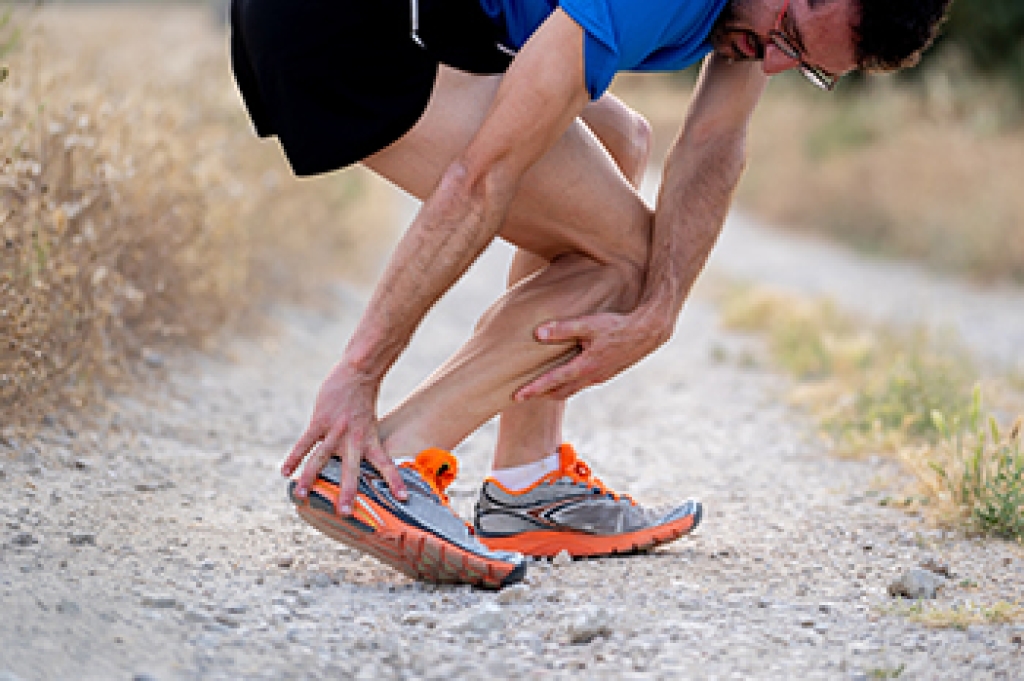
Sport Injuries That Affect the Feet and Ankles

Sports injuries can affect athletes of all ages and activity levels. The feet and ankles absorb repeated impact during running, jumping, and quick changes in direction, making them especially vulnerable to injury. Common sports injuries include ankle sprains, stress fractures, and Achilles tendon injuries. Some people also develop plantar fasciitis or tendon inflammation from repetitive movement. Symptoms may include pain, swelling, bruising, or difficulty bearing weight. Others notice stiffness, instability, or reduced range of motion after an injury. Because many foot and ankle injuries share similar symptoms, a professional evaluation is important to identify the underlying cause and recommend the most appropriate treatment.


Some sports injuries happen suddenly after a fall or awkward movement, while others develop gradually from repeated stress on the feet and ankles. Continuing to participate in physical activity with an untreated injury may increase strain on nearby joints and soft tissues. This can affect normal walking and reduce athletic performance. A thorough examination helps determine which structures have been injured and how the condition is affecting foot function. In some cases, imaging studies may be recommended to confirm the diagnosis. Identifying the injury early allows treatment to begin before the condition becomes more serious or leads to long-term complications.


A podiatrist plays an important role in diagnosing and treating sports injuries involving the feet and ankles. After evaluating the injury, a podiatrist develops a personalized treatment plan based on the individual's condition and activity level. Treatment focuses on relieving pain, restoring mobility, and supporting a safe return to physical activity. Early podiatry care may also help reduce the risk of recurring injuries and improve overall foot function. If foot or ankle pain is limiting your ability to stay active, it is suggested that you consult a podiatrist for an evaluation and appropriate treatment options.

Sports related foot and ankle injuries require proper treatment before players can go back to their regular routines. For more information, contact Sam Sanandaji, DPM of Foot and Ankle Care Center. Our doctor can provide the care you need to keep you pain-free and on your feet.

Sports Related Foot and Ankle Injuries

Foot and ankle injuries are a common occurrence when it comes to athletes of any sport. While many athletes dismiss the initial aches and pains, the truth is that ignoring potential foot and ankle injuries can lead to serious problems. As athletes continue to place pressure and strain the area further, a mild injury can turn into something as serious as a rupture and may lead to a permanent disability. There are many factors that contribute to sports related foot and ankle injuries, which include failure to warm up properly, not providing support or wearing bad footwear. Common injuries and conditions athletes face, including:

  • Plantar Fasciitis
  • Achilles Tendinitis
  • Achilles Tendon Rupture
  • Ankle Sprains

Sports related injuries are commonly treated using the RICE method. This includes rest, applying ice to the injured area, compression and elevating the ankle. More serious sprains and injuries may require surgery, which could include arthroscopic and reconstructive surgery. Rehabilitation and therapy may also be required in order to get any recovering athlete to become fully functional again. Any unusual aches and pains an athlete sustains must be evaluated by a licensed, reputable medical professional.

If you have any questions please contact our office located in Beverly Hills, CA . We offer the newest diagnostic and treatment technologies for all your foot and ankle needs.

Read more about Sports Related Foot And Ankle Injuries

It's Time for Beautiful Feet

You don't need an excuse to have beautiful nails. Step outside without worrying about the appearance of your feet.

Poor Circulation in the Feet and Why It Matters

Poor circulation in the feet occurs when blood does not flow as efficiently as it should to the lower legs and feet. Healthy circulation is essential because blood delivers oxygen and nutrients that help tissues function properly. When circulation is reduced, the feet may not receive everything they need to stay healthy. Poor circulation is often linked to underlying medical conditions rather than being a problem by itself. Conditions like peripheral artery disease, diabetes, or blood vessel disorders may contribute to reduced blood flow. Because circulation problems can lead to serious complications if left untreated, early evaluation is important. Identifying the cause of poor circulation may help protect foot health and support better long-term mobility.


Symptoms of poor circulation in the feet can develop gradually and may become more noticeable over time. Many people experience cold feet, numbness, or tingling that affects everyday comfort. Others notice swelling or changes in skin color that may indicate reduced blood flow. Some individuals develop slow-healing wounds or pain while walking that improves with rest. Persistent circulation problems may also increase the risk of infections and other foot complications. Since these symptoms may be related to several medical conditions, a professional examination is important to determine the underlying cause. Prompt evaluation can help prevent further damage and support healthier foot function.


A podiatrist plays an important role in identifying foot problems related to poor circulation and monitoring changes that may affect long-term health. During an examination, the podiatrist evaluates circulation, checks the condition of the skin and nails, and looks for signs of tissue damage. Treatment focuses on protecting the feet, managing complications, and coordinating care when underlying medical conditions are involved. Regular podiatry visits may also help detect problems before they become more serious. If you are experiencing cold feet, numbness, or slow-healing wounds, it is suggested that you consult a podiatrist for an evaluation and appropriate treatment options.

Poor circulation is a serious condition and needs immediate medical attention. If you have any concerns with poor circulation in your feet contact Sam Sanandaji, DPM of Foot and Ankle Care Center. Our doctor will treat your foot and ankle needs.

Poor Circulation in the Feet

Poor blood circulation in the feet and legs is can be caused by peripheral artery disease (PAD), which is the result of a buildup of plaque in the arteries.

Plaque buildup or atherosclerosis results from excess calcium and cholesterol in the bloodstream. This can restrict the amount of blood which can flow through the arteries. Poor blood circulation in the feet and legs are sometimes caused by inflammation in the blood vessels, known as vasculitis.

Causes

Lack of oxygen and oxygen from poor blood circulation restricts muscle growth and development. It can also cause:

  • Muscle pain, stiffness, or weakness 
  • Numbness or cramping in the legs
  • Skin discoloration
  • Slower nail & hair growth
  • Erectile dysfunction

Those who have diabetes or smoke are at greatest risk for poor circulation, as are those who are over 50. If you have poor circulation in the feet and legs it may be caused by PAD and is important to make changes to your lifestyle in order to reduce risk of getting a heart attack or stroke. Exercise and maintaining a healthy lifestyle will dramatically improve conditions.

As always, see a podiatrist as he or she will assist in finding a regimen that suits you. A podiatrist can also prescribe you any needed medication. 

If you have any questions, please feel free to contact our office located in Beverly Hills, CA . We offer the newest diagnostic and treatment technologies for all your foot care needs.
Read more about Causes, Symptoms, and Treatment of Poor Blood Circulation in the Feet

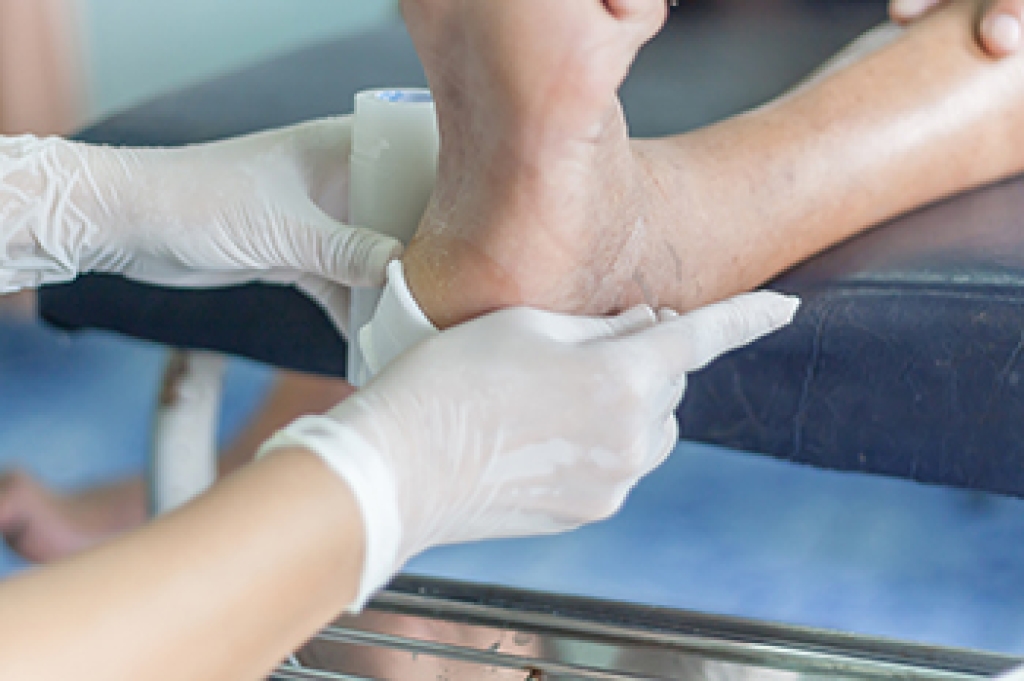
When Offloading Is Essential for Healing Foot Wounds

Offloading in wound care is an important part of helping foot wounds heal. Offloading means reducing pressure on the injured area so the skin and tissue have a better chance to recover. Every step places force on the feet, especially on the bottom of the foot. When pressure continues on an open wound, healing slows and the wound can become larger or deeper. Patients with diabetes, poor circulation, or reduced feeling in their feet face an even greater risk because they may not notice the damage while walking. A podiatrist carefully examines the wound, identifies the source of pressure, and develops a treatment plan that protects the injured area while supporting healing. Offloading also helps lower the chance of repeated injury that can delay recovery.

A podiatrist selects the best offloading method based on the wound's location, the shape of the foot, and the patient's daily activities. Options include specialized walking boots, custom shoe inserts, or protective shoes that spread body weight more evenly across the foot. Some patients benefit from casts or other devices that limit pressure on the wound while walking. A podiatrist also checks for foot deformities, calluses, and areas of excess pressure. The wound is routinely measured and examined for progress. The treatment plan can be adjusted whenever healing slows or new pressure points develop.

Offloading works together with wound treatment by protecting healthy tissue and helping new tissue develop. A podiatrist also monitors circulation, watches for signs of infection, and recommends the most appropriate shoes to reduce future problems. Early treatment gives many patients the best opportunity for healing before a wound becomes more serious. Careful offloading also helps lower stress on nearby skin and reduces the chance of another wound developing in the same area. If you have foot wounds that will not heal, it is suggested that you are under the care of a podiatrist who can offer effective treatment and management solutions.

Wound care is an important part in dealing with diabetes. If you have diabetes and a foot wound or would like more information about wound care for diabetics, consult with Sam Sanandaji, DPM from Foot and Ankle Care Center. Our doctor will assess your condition and provide you with quality foot and ankle treatment.

What Is Wound Care?

Wound care is the practice of taking proper care of a wound. This can range from the smallest to the largest of wounds. While everyone can benefit from proper wound care, it is much more important for diabetics. Diabetics often suffer from poor blood circulation which causes wounds to heal much slower than they would in a non-diabetic. 

What Is the Importance of Wound Care?

While it may not seem apparent with small ulcers on the foot, for diabetics, any size ulcer can become infected. Diabetics often also suffer from neuropathy, or nerve loss. This means they might not even feel when they have an ulcer on their foot. If the wound becomes severely infected, amputation may be necessary. Therefore, it is of the upmost importance to properly care for any and all foot wounds.

How to Care for Wounds

The best way to care for foot wounds is to prevent them. For diabetics, this means daily inspections of the feet for any signs of abnormalities or ulcers. It is also recommended to see a podiatrist several times a year for a foot inspection. If you do have an ulcer, run the wound under water to clear dirt from the wound; then apply antibiotic ointment to the wound and cover with a bandage. Bandages should be changed daily and keeping pressure off the wound is smart. It is advised to see a podiatrist, who can keep an eye on it.

If you have any questions please contact our office located in Beverly Hills, CA . We offer the newest diagnostic and treatment technologies for all your foot and ankle needs.

Read more about Wound Care

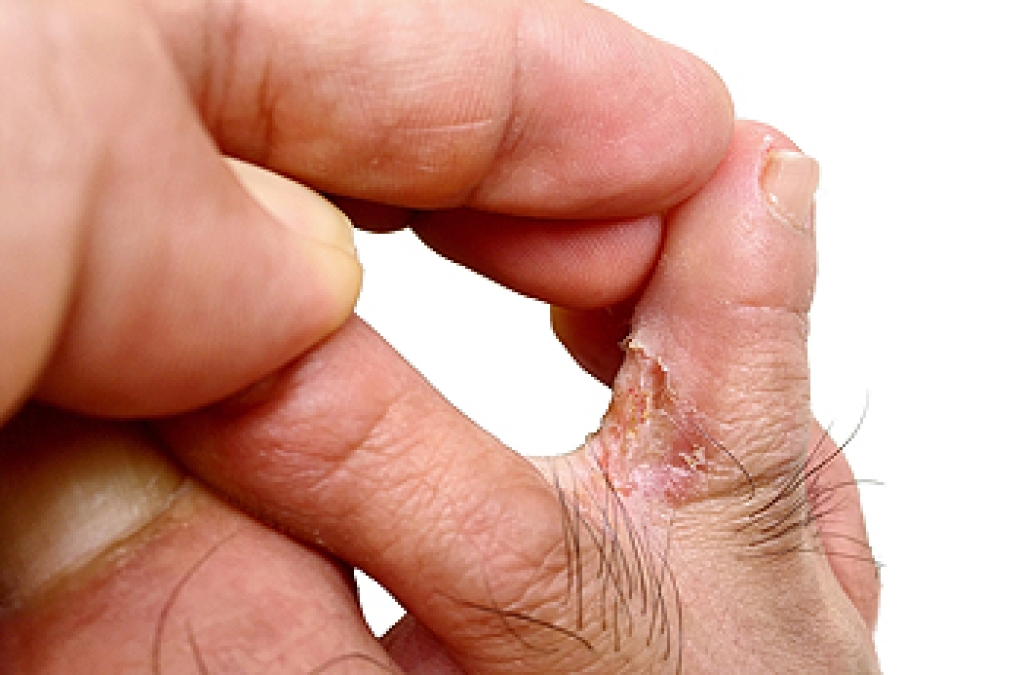
Ingrown Toenails and Podiatry Care

An ingrown toenail occurs when the edge of the nail grows into the nearby skin. This most often affects the big toe, but it can happen to any toenail. As the nail presses into the skin, the toe may become painful, swollen, or red. In some cases, the area may also become infected and more tender to the touch. Ingrown toenails can make it difficult to wear shoes comfortably or walk without pain. The problem may start small, but it can worsen if the nail continues to irritate the skin. People with diabetes, poor circulation, or reduced feeling in the feet should be especially careful because foot infections can become more serious.


A podiatrist can examine the toe and determine how severe the ingrown toenail is. During the visit, the podiatrist checks for infection, nail damage, and changes in the surrounding skin. Treatment depends on the patient’s symptoms and how deeply the nail has grown into the skin. In some cases, the podiatrist may carefully remove part of the nail to relieve pressure and help the area heal. If infection is present, additional medical treatment may be needed. Professional ingrown toenail treatment can reduce pain, protect the skin, and lower the chance of the problem returning.


Prompt podiatry care is important when an ingrown toenail becomes painful or shows signs of infection. Early treatment may prevent the condition from worsening and help restore comfort during walking. A podiatrist can also evaluate nail shape and foot structure to understand why the problem developed. Professional foot care supports healthier nails and helps protect long-term foot health. If you have toe pain, swelling, or redness from an ingrown toenail, it is suggested that you consult a podiatrist for an evaluation.

Ingrown toenails may initially present themselves as a minor discomfort, but they may progress into an infection in the skin without proper treatment. For more information about ingrown toenails, contact Sam Sanandaji, DPM of Foot and Ankle Care Center. Our doctor can provide the care you need to keep you pain-free and on your feet.

Ingrown Toenails

Ingrown toenails are caused when the corner or side of a toenail grows into the soft flesh surrounding it. They often result in redness, swelling, pain, and in some cases, infection. This condition typically affects the big toe and may recur if it is not treated properly.

Causes

  • Improper toenail trimming
  • Genetics
  • Improper shoe fitting
  • Injury from pedicures or nail picking
  • Abnormal gait
  • Poor hygiene

You are more likely to develop an ingrown toenail if you are obese, have diabetes, arthritis, or have any fungal infection in your nails. Additionally, people who have foot or toe deformities are at a higher risk of developing an ingrown toenail.

Symptoms

Some symptoms of ingrown toenails are redness, swelling, and pain. In rare cases, there may be a yellowish drainage coming from the nail.

Treatment

Ignoring an ingrown toenail can have serious complications. Infections of the nail border can progress to a deeper soft-tissue infection, which can then turn into a bone infection. You should always speak with your podiatrist if you suspect you have an ingrown toenail, especially if you have diabetes or poor circulation.

If you have any questions, please feel free to contact our office located in Beverly Hills, CA . We offer the newest diagnostic and treatment technologies for all your foot care needs.
Read more about Ingrown Toenail Care
Advanced Podiatric Procedures & Services in the Los Angeles County, CA: Los Angeles, Beverly Hills, Culver City, Santa Monica, Marina Del Rey, Inglewood, Thousand Oaks, Burbank, Glendale, Pasadena, Malibu areas