


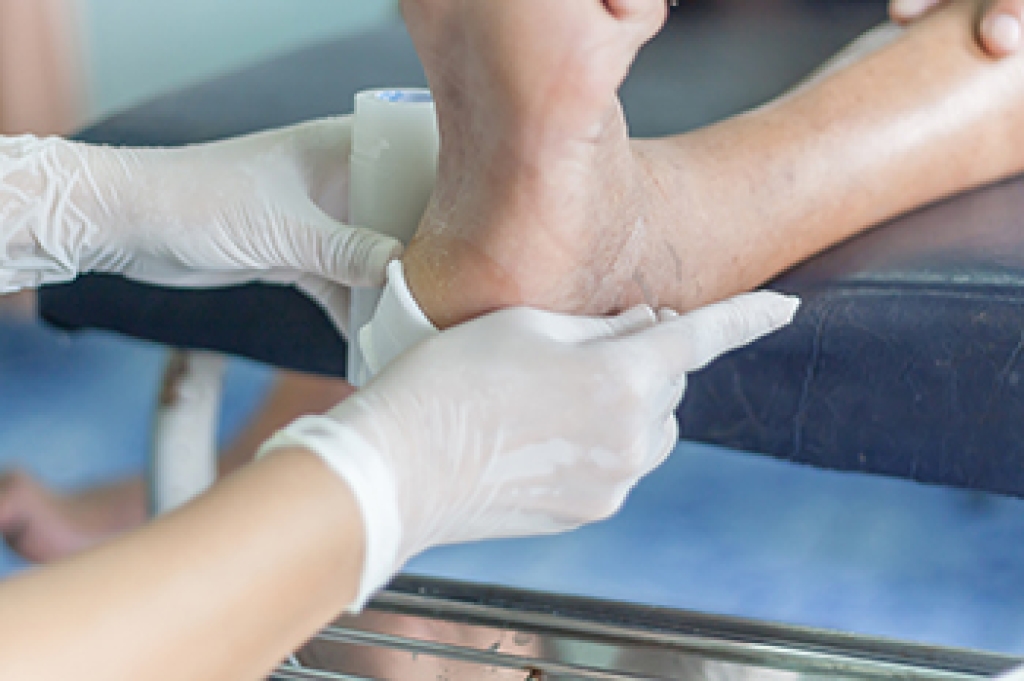
Diabetes affects how the body uses blood sugar. When blood glucose remains too high, it can affect nerves, blood vessels, and the immune system. These changes can make foot wounds harder to notice and slower to heal. Symptoms of diabetes may include increased thirst, frequent urination, or slow-healing cuts. Regular health checks remain important for everyone.
Diabetes can affect wound healing in several ways. High blood sugar can damage nerves, causing numbness that makes a cut or blister difficult to feel. Reduced circulation can limit the oxygen and nutrients needed for tissue repair. Diabetes can also weaken the immune response, making it harder for the body to fight infection. When these problems occur together, a small wound can take longer to heal and may spread into surrounding tissue or even bone.
Insulin helps move glucose from the bloodstream into cells where it can be used. When insulin is not produced adequately or the body does not use it effectively, blood sugar can rise. Poor blood sugar control can increase the risk of wound complications. A podiatrist can examine a foot wound, assess circulation and sensation, and check for infection. Treatment may include cleaning and dressing the wound, reducing pressure, and recommending protective footwear.
Protecting a diabetic foot wound requires careful attention. Keep the wound clean and covered as directed, and avoid walking barefoot. Check your feet regularly for redness, swelling, or new skin damage. Seek prompt care if a wound becomes painful, changes appearance, or does not improve. Early podiatric treatment can help reduce complications and support healing. If you have diabetes and have a foot wound, it is strongly suggested that you are under the care of a podiatrist who can help you to manage this serious condition.
Diabetic foot care is important in preventing foot ailments such as ulcers. If you are suffering from diabetes or have any other concerns about your feet, contact Sam Sanandaji, DPM from Foot and Ankle Care Center. Our doctor can provide the care you need to keep you pain-free and on your feet.
Diabetic Foot Care
Diabetes affects millions of people every year. The condition can damage blood vessels in many parts of the body, especially the feet. Because of this, taking care of your feet is essential if you have diabetes, and having a podiatrist help monitor your foot health is highly recommended.
The Importance of Caring for Your Feet
- Routinely inspect your feet for bruises or sores.
- Wear socks that fit your feet comfortably.
- Wear comfortable shoes that provide adequate support.
Patients with diabetes should have their doctor monitor their blood levels, as blood sugar levels play such a huge role in diabetic care. Monitoring these levels on a regular basis is highly advised.
It is always best to inform your healthcare professional of any concerns you may have regarding your feet, especially for diabetic patients. Early treatment and routine foot examinations are keys to maintaining proper health, especially because severe complications can arise if proper treatment is not applied.
If you have any questions, please feel free to contact our office located in Los Angeles, CA . We offer the newest diagnostic and treatment technologies for all your foot care needs.
