
Do you work on your feet all day and find your feet in pain? Don't go to work in pain each day. Your foot pain can be treated, and we can help.


Do you work on your feet all day and find your feet in pain? Don't go to work in pain each day. Your foot pain can be treated, and we can help.

An ingrown toenail develops when the edge of a toenail grows into the surrounding skin instead of over it. This condition most often affects the big toe, and can cause redness, swelling, tenderness, and pain along the nail border. The area may feel sore while walking, wearing shoes, or applying pressure to the toe. In some cases, the skin may become infected, leading to drainage, warmth, or increased swelling. Common causes include trimming the nails too short, wearing tight footwear, injury to the toe, or naturally curved nails. Repeated pressure from sports or daily activities may also contribute to the problem. A podiatrist can examine the toe, determine the severity of the condition, and recommend appropriate treatment. Care may include trimming or removing the ingrown portion of the nail, treating infection, recommending proper footwear, or performing a minor procedure to help prevent recurrence. If you have an ingrown toenail, it is suggested that you schedule an appointment with a podiatrist for appropriate treatment.
Ingrown toenails can become painful if they are not treated properly. For more information about ingrown toenails, contact Sam Sanandaji, DPM of Foot and Ankle Care Center. Our doctor can provide the care you need to keep you pain-free and on your feet.
Ingrown Toenails
Ingrown toenails occur when a toenail grows sideways into the bed of the nail, causing pain, swelling, and possibly infection.
Causes
Prevention
Wearing proper fitting shoes and using proper cutting techniques will also help decrease your risk of developing ingrown toenails.
Treatment
Ingrown toenails are a very treatable foot condition. In minor cases, soaking the affected area in salt or antibacterial soaps will not only help with the ingrown nail itself, but also help prevent any infections from occurring. In more severe cases, surgery is an option. In either case, speaking to your podiatrist about this condition will help you get a better understanding of specific treatment options that are right for you.
If you have any questions, please feel free to contact our office located in Los Angeles, CA . We offer the newest diagnostic and treatment technologies for all your foot care needs.

Lupus is a long-term autoimmune condition in which the body’s immune system mistakenly attacks healthy tissue. This leads to inflammation throughout the body, including the feet. The result is joint pain, swelling, and stiffness that make walking uncomfortable. The small joints in the feet and ankles are often involved, which can limit movement and affect completing daily activities. Lupus can also affect blood vessels, leading to poor circulation that causes the toes to feel cold, appear discolored, or become painful as blood flow changes. Skin problems like rashes or slow-healing sores also can develop. In addition, nerve irritation may lead to numbness, tingling, or burning sensations. A podiatrist can assess foot function, evaluate circulation, and test nerve health to address these issues. If you are suffering from foot pain related to lupus, it is suggested that you schedule an appointment with a podiatrist for relief tips and management of this condition.
When dealing with systemic disease of the feet, it is extremely important to check the affected areas routinely so that any additional problems are caught quickly. If you have any concerns about your feet and ankles contact Sam Sanandaji, DPM from Foot and Ankle Care Center. Our doctor will assist you with all of your podiatric needs.
Systemic Diseases of the Feet
Systemic diseases affect the whole body, and symptoms usually are displayed in the feet. This condition can make a patient’s ability to walk unbearable. Systemic diseases include gout, diabetes mellitus, neurological disorders, and arthritis.
Gout – is caused by an excess of uric acid in the body. Common symptoms include pain, inflammation, and redness at the metatarsal/phalangeal joint of the base big toe. Gout can be treated by NSAIDs to relieve pain and inflammation, and other drugs that lower the acid levels in the body.
Diabetes mellitus – is an increase in the level of blood sugar that the body cannot counteract with its own insulin. Failure to produce enough insulin is a factor in Diabetes.
Diabetes of the Feet
Diabetic Neuropathy – may lead to damaged nerves and affect the feet through numbness and loss of sensation.
Peripheral Vascular Disease – can restrict the blood flow to the feet, and often times lead to amputation of the feet.
If you have any questions please contact our office located in Los Angeles, CA . We offer the newest diagnostic and treatment technologies for all your foot and ankle needs.
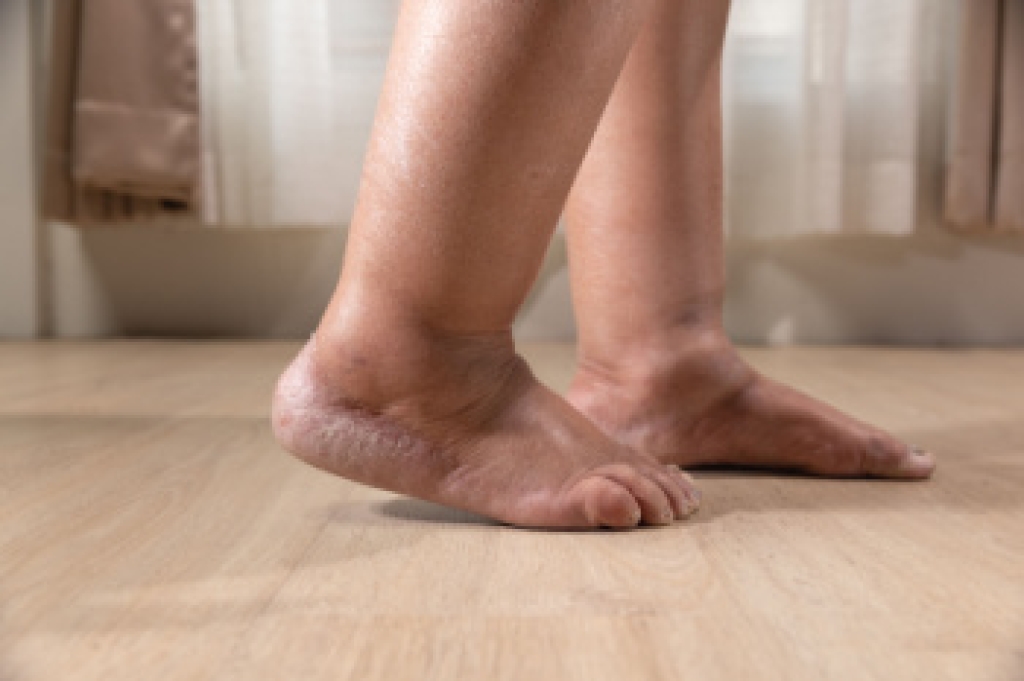
Swelling of the feet can occur for several reasons related to circulation, fluid balance, or underlying health conditions. This condition, known as edema, develops when excess fluid collects in the tissues of the lower extremities. These help to support body weight and assist in returning blood toward the heart. Common causes of swelling include prolonged standing or sitting, injury, or medical conditions that affect how fluid is regulated in the body. The feet may appear puffy or enlarged, and the skin can feel tight or look shiny. Some people notice an indentation after pressing on the area. A podiatrist can evaluate the swelling through a physical exam and may recommend imaging or coordinate care to determine contributing factors. Treatment options include compression, elevation, and supportive footwear. Targeted exercises to improve circulation and reduce fluid buildup may be suggested. If your feet have become swollen, it is suggested that you schedule an appointment with a podiatrist who can determine what the cause is, and offer appropriate relief tips.
Swollen feet can be a sign of an underlying condition. If you have any concerns, contact Sam Sanandaji, DPM of Foot and Ankle Care Center. Our doctor can provide the care you need to keep you pain-free and on your feet.
Swollen feet are a common ailment among pregnant women and people who stand or sit for extended periods. Aging may increase the possibility of swollen feet and patients who are obese often notice when their feet are swelling too. There may be medical reasons why swollen feet occur:
Swollen feet can also be caused by bone and tendon conditions, including fractures, arthritis, and tendinitis. Additionally, there may be skin and toenail conditions and an infection may cause the feet to swell. Patients who take medicine to treat high blood pressure may be prone to getting swollen feet.
Many patients elevate their feet to help relieve the swelling and this is generally a temporary remedy. When a podiatrist is consulted the reason behind the swelling can be uncovered and subsequently treated.
If you have any questions please contact our office located in Los Angeles, CA . We offer the newest diagnostic and treatment technologies for all your foot and ankle needs.
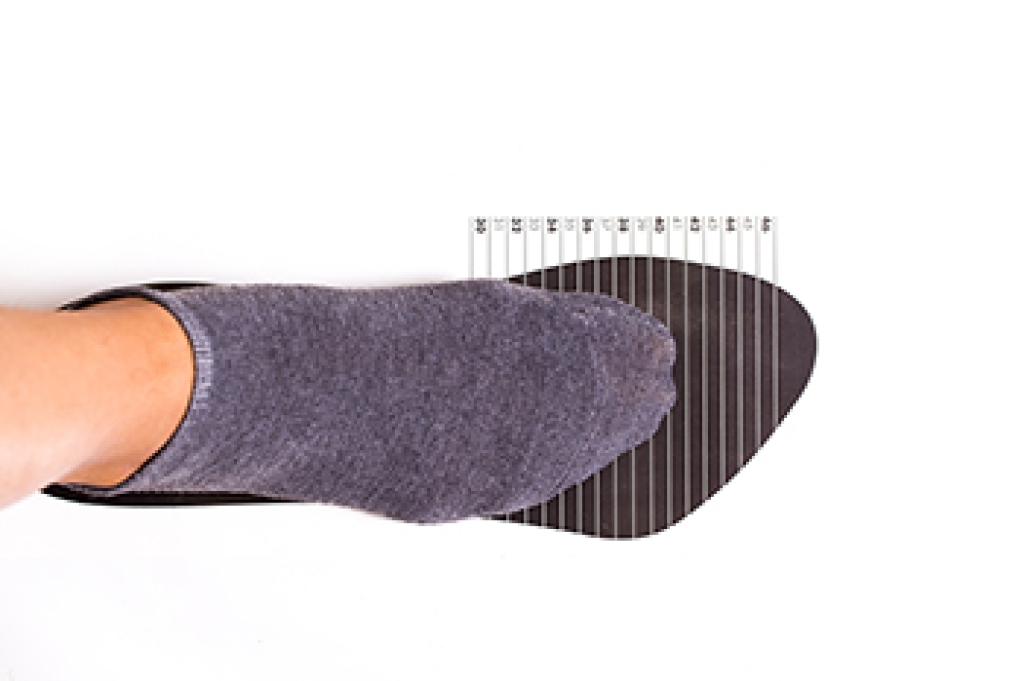
Proper shoe fitting is essential for maintaining foot health, especially when shoes are too narrow and place excess pressure on the toes and forefoot. Tight footwear can compress the toes, leading to irritation and redness. It also can contribute to formation of bunions or nerve pain like Morton's neuroma. The foot may develop overlapping toes or areas of thickened skin where friction occurs. Discomfort may worsen throughout the day and make walking or standing difficult. Causes include choosing fashion over fit, changes in foot shape, or not accounting for natural swelling. A podiatrist can assess foot size, shape, and gait to recommend properly fitting footwear and supportive options. Treatment may also include padding, orthotics, and guidance on selecting shoes with adequate width, depth, and cushioning. Choosing the correct shoe size and avoiding narrow styles can reduce pressure and prevent long-term problems. If you have foot pain related to shoe fit, it is suggested that you make an appointment with a podiatrist.
Getting the right shoe size is an important part of proper foot health. Seek the assistance of Sam Sanandaji, DPM from Foot and Ankle Care Center. Our doctor will provide the care you need to keep you pain-free and on your feet.
Getting the Right Shoe Size
There are many people who wear shoes that are the incorrect size, negatively affecting their feet and posture. Selecting the right shoes is not a difficult process, so long as you keep several things in mind when it comes to choosing the right pair.
As our feet hold our body weight and keep us moving, it is important to treat them right. Picking the right pair of shoes can provide your feet comfort and mobility without pain.
If you have any questions, please feel free to contact our office located in Los Angeles, CA . We offer the newest diagnostic and treatment technologies for all your foot care needs.
